Ori Developer Ignites Debate: Highguard's Art Direction Under Fire for Genericism
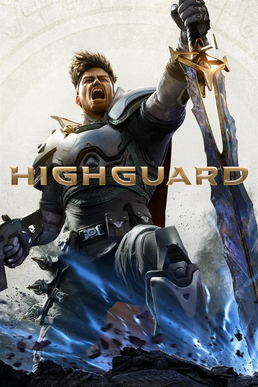
The gaming world is abuzz following sharp criticism from a prominent industry voice. The developer behind the critically acclaimed Ori series recently ignited a fiery debate, publicly calling out what they perceive as a "homogeneous" and "stale" creative direction prevalent across many modern titles. At the heart of this controversy, Highguard was singled out as a prime example, with its art style controversially compared to that of the 14-year-old Halo 4. This bold statement has reopened discussions about artistic stagnation in AAA gaming and the challenge of true visual innovation in an increasingly crowded market.
For players and developers alike, the pursuit of originality is a constant struggle. When a game like Highguard, despite its potential other merits, faces such pointed critiques about its visual identity, it prompts a wider industry introspection. Is the fear of straying too far from established success hindering artistic bravery? And what does this mean for titles striving to be more than just another entry in a long line of visually similar experiences?
The Echo Chamber of Aesthetics: Highguard as a Case Study
The Ori developer's critique wasn't merely an offhand remark; it was a deliberate call to action, highlighting a perceived lack of distinctive artistic vision. Their assertion that Highguard looks artistically similar to Halo 4 is a powerful statement, implying a failure to evolve or forge a unique identity despite significant advancements in technology and game development over the past decade and a half. This kind of comparison isn't just about graphics; it's about the fundamental artistic language a game uses to communicate its world and themes.
When a new game emerges bearing strong resemblance to a title from years past, it raises questions about the creative risks developers are willing to take. In a market saturated with high-fidelity graphics, the true differentiator often lies in the art direction—the intentional choices in color palette, shape language, lighting, and overall aesthetic that give a game its unique soul. If Highguard is indeed mirroring an older aesthetic, it suggests a potential missed opportunity to carve out its own niche. This makes the task of standing out in a crowded market a truly Highguard jeu difficile, not just for the game itself but for any title striving for artistic individuality.
Why Art Direction Matters: More Than Just Graphics
Art direction is the visual DNA of a game. It's what makes Ori and the Blind Forest instantly recognizable with its ethereal hand-painted aesthetic, or BioShock unforgettable with its Art Deco underwater city. It's not about achieving hyper-realism (though that can be an artistic choice), but about crafting a consistent, evocative visual language that supports the game's narrative, gameplay, and emotional resonance. A strong art style:
- Creates Immediate Recognition: Players can identify a game from a single screenshot.
- Enhances Immersion: A coherent visual style pulls players deeper into the world.
- Conveys Mood and Theme: Visuals are powerful storytelling tools, setting tone and atmosphere.
- Ensures Longevity: Unique art often ages better than pure graphical fidelity, becoming timeless.
The criticism leveled at Highguard suggests that it may fall short in these areas, potentially blending into a sea of visually similar action-oriented titles. This can make the game a Highguard jeu difficile for players to distinguish from others, leaving them feeling underwhelmed by a lack of visual distinctiveness even if the gameplay is solid.
The Pursuit of Visual Originality in a Crowded Market
Why do some games struggle to forge a unique artistic identity? The reasons are complex and multifaceted, often rooted in the economic realities and development pressures of the modern gaming industry. Creating a truly original art style is a monumental task, often perceived as a risky endeavor by publishers and investors.
- Market Trends and Perceived Success: Developers might be pressured to emulate styles that have proven successful, leading to a "safe" approach that avoids pushing boundaries. If a particular grimdark sci-fi aesthetic sells well, others might follow suit.
- Technical Constraints and Familiarity: Teams may gravitate towards art styles they are already proficient in, or those that are well-supported by existing engines and asset libraries. This can inadvertently stifle experimentation.
- Risk Aversion in AAA Development: Developing a major title involves hundreds of millions of dollars. Taking a significant artistic gamble can be seen as too high a risk, especially if it deviates too far from what market research suggests is popular.
- Tight Deadlines and Production Cycles: The time crunch inherent in game development can sometimes force compromises on artistic vision, leading to less time for iterative design and bold experimentation.
These pressures combined can make the journey to a truly distinctive aesthetic a genuinely Highguard jeu difficile for any studio, especially those working on large-scale projects. The ease with which assets can be shared or inspiration drawn from previous titles can inadvertently lead to a homogenization of visual language.
Breaking the Mold: Strategies for Developers
While the challenges are undeniable, achieving a unique art style is far from impossible. Many indie and even some AAA studios consistently demonstrate that artistic innovation is alive and well. Here are some strategies that can help developers avoid the pitfalls of genericism:
- Embrace Diverse Artistic Influences: Look beyond video games for inspiration. Explore fine art, architecture, fashion, cinema, literature, and cultural aesthetics from around the world. The more varied the input, the more unique the output.
- Prioritize Concept Art and Vision Early: A strong, well-defined artistic vision should be established at the project's inception. Invest heavily in concept art, mood boards, and visual target renders to ensure everyone on the team understands the desired aesthetic.
- Foster Cross-Departmental Collaboration: Art direction isn't just for artists. Involve designers, writers, and even engineers in the visual development process to ensure the art serves and enhances all aspects of the game.
- Focus on Shape Language and Color Theory: These fundamental principles can differentiate a game more effectively than raw polygon count. Develop a unique "visual vocabulary" for characters, environments, and objects.
- Tell a Story Through Visuals: The art should not just look good; it should convey narrative, lore, and emotional depth. Every visual element should contribute to the world-building.
- Be Prepared to Experiment and Iterate: Artistic vision often evolves through trial and error. Be open to taking risks and refining ideas, even if it means discarding initial concepts.
For more insights into the specific comparisons, you might want to read Highguard's Art: A Homogeneous Halo 4 Look?, which delves deeper into the visual similarities being discussed.
Player Power: Demanding More Than "Good Enough"
The conversation around Highguard's art direction isn't solely for developers; players also have a crucial role to play in shaping the industry's future. By vocally supporting games that exhibit daring and distinctive art styles, players can signal to publishers and developers that there's a real appetite for visual originality.
- Support Aesthetically Diverse Games: Purchase and promote titles that stand out visually, regardless of genre or budget.
- Provide Constructive Feedback: When discussing games, don't just focus on gameplay or story; articulate what you love (or dislike) about the art direction.
- Engage with Developers: Participate in community forums and social media discussions, asking for more artistic innovation.
Ultimately, a thriving industry is one that embraces diverse artistic expressions. When players champion originality, they encourage developers to take on the potentially Highguard jeu difficile of creating something truly unique, rather than settling for what's perceived as safe or generic. This collective push can help break the cycle of artistic homogeneity and inspire the next generation of visually groundbreaking games.
The Ori developer's call-out serves as a vital reminder that while technological advancements continue to push boundaries, true innovation also lies in the realm of art. Whether Highguard ultimately defines itself or becomes another casualty of stylistic generalization remains to be seen. What is clear, however, is that the debate it has sparked is a necessary one, forcing the industry to confront the challenging, yet rewarding, path toward genuine artistic distinction. The continued pursuit of a unique visual identity, making each game a memorable journey rather than a familiar re-run, is arguably the most crucial Highguard jeu difficile facing game developers today.