Highguard's Art: A Homogeneous Halo 4 Look? Unpacking the Industry's Creative Conundrum
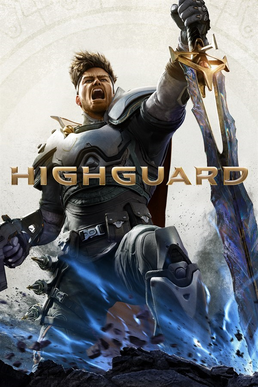
The gaming world thrives on innovation, captivating narratives, and, perhaps most importantly, striking visual identities. Yet, a recent and rather pointed critique from Ori's lead developer has thrown a spotlight on what some perceive as a concerning trend: an artistic homogeneity permeating the industry. At the heart of this debate lies Highguard, a game cited as a prime example, with its aesthetics being controversially likened to the 14-year-old Halo 4. This comparison isn't merely about visual similarity; it opens a broader discussion about creative stagnation, market saturation, and the significant challenge developers face in making their titles stand out. For Highguard, this discussion introduces a specific type of '
jeu difficile' – a difficult game – in carving its unique identity in a crowded market.
The Spark: Ori Dev's Critique of Gaming's Aesthetic Landscape
When a respected developer like Thomas Mahler, known for the visually stunning Ori series, speaks, the industry listens. His recent comments, labeling much of modern gaming's creative direction as "homogeneous" and "stale," resonated deeply within the community. Mahler’s argument isn't against talent or technical prowess; rather, it targets the apparent reluctance to deviate from established visual formulas. He articulated a frustration that despite an abundance of skilled artists and powerful engines, many games seem to adhere to a similar artistic blueprint, often rooted in gritty realism, muted color palettes, and a particular brand of sci-fi militarism that has dominated the triple-A space for years.
The choice of Highguard as an example was particularly provocative. To suggest a new title bears such a strong resemblance to a game released over a decade ago—Halo 4—immediately sparks a crucial conversation. This isn't just a casual observation; it’s a direct challenge to the creative teams behind such projects and, by extension, the broader industry’s gatekeepers. The critique implies a lack of distinctive vision, suggesting that rather than pushing boundaries, some developers are settling into comfortable, proven aesthetics. This makes the landscape a true '
Highguard jeu difficile' for both creators aiming for originality and players seeking fresh experiences. It forces us to question: are we witnessing a creative echo chamber, or are these similarities mere coincidences born from genre conventions?
Highguard's Visual Identity: Echoes of Halo 4?
The comparison between Highguard and Halo 4 isn't arbitrary, even if it's contentious. Halo 4, released in 2012, marked a significant visual evolution for the iconic franchise, embracing a more detailed, slightly darker, and graphically intensive approach to its sci-fi aesthetic. If Highguard is indeed mirroring this, what specific elements might be contributing to such a perception?
Several visual cues could lead to this comparison:
- Color Palettes: Both games might lean towards a similar spectrum of blues, greys, and metallic silvers, often punctuated by vibrant energy effects or glowing UI elements. This palette is characteristic of a certain "hard sci-fi" military aesthetic.
- Character and Armor Design: The bulky, functional, yet sleek designs of power armor, helmets, and weaponry often found in military science fiction can create a strong visual overlap. Shared design principles, such as segmented plates, integrated lighting, and utilitarian forms, might contribute to the resemblance.
- Environmental Art: Futuristic installations, alien landscapes with intricate machinery, and sterile, high-tech interiors are common tropes. If Highguard utilizes similar architectural styles, material rendering (e.g., polished metal, alien rock formations), and environmental storytelling, the visual echo would be strong.
- User Interface (UI) and HUD: The on-screen display, icons, and menu designs can also contribute to a sense of familiarity. Clean, angular interfaces with holographic elements are prevalent in both.
The reasons behind such similarities can be multifaceted. It could stem from a shared genre and a common understanding of what "futuristic military shooter" should look like. Developers might draw inspiration from successful titles, or perhaps even be influenced by industry-standard asset packs and engine capabilities that naturally gravitate towards certain visual styles. However, the core of Mahler’s argument is that inspiration should not devolve into imitation, and genre conventions should not stifle innovation. For Highguard, this visual identity becomes a significant point of discussion, creating a '
jeu difficile' in convincing audiences and critics alike of its unique artistic merit beyond the immediate comparisons.
The Broader Implications: Why Visual Homogeneity Matters for "Highguard Jeu Difficile"
The debate surrounding Highguard's art style is more than just an aesthetic critique; it has profound implications for the gaming industry, especially concerning market saturation and player engagement. When games look too similar, it creates a '
Highguard jeu difficile' – a genuinely difficult challenge – for new titles to stand out in an increasingly crowded marketplace.
Here's why visual homogeneity matters:
- Market Differentiation: In a world where hundreds, if not thousands, of games are released annually, a distinctive visual style is often the first, and sometimes only, hook to capture a player's attention. If Highguard struggles to visually differentiate itself from a game like Halo 4, it immediately faces an uphill battle to be perceived as a fresh, novel experience. This makes marketing and player acquisition significantly more difficult.
- Player Fatigue: Gamers, much like consumers in any entertainment medium, crave novelty. A constant stream of visually similar titles can lead to "genre fatigue" or "art style fatigue." Players might feel they've "seen it all before," even if the underlying gameplay or narrative is unique. This makes it challenging for Highguard to maintain long-term player interest and build a dedicated community.
- Critical Reception: Critics often look for innovation and originality. A game that visually echoes a previous successful title might struggle to earn high marks for artistic direction, regardless of its other merits. This can impact Metacritic scores and overall buzz, which are crucial for a new IP's success.
- Developer Identity and Creativity: For development teams, a lack of distinctiveness can be demotivating. It can suggest a compromise of artistic vision for perceived market safety. This 'jeu difficile' for developers often involves balancing creative ambition with commercial viability, but true innovation often yields the greatest rewards.
This isn't to say Highguard is inherently a "bad" game; its gameplay, story, or mechanics could be revolutionary. However, the initial impression, especially in a visually driven medium, is paramount. The artistic similarities become a narrative that Highguard must overcome, presenting a '
jeu difficile' where its unique aspects have to work even harder to shine through the familiar visual veneer. This constant struggle against perception is something every developer must navigate, as discussed further in articles like
Ori Dev Calls Out Highguard's Stale, Generic Art and
Is Highguard Proving Gaming's Generic Art Direction?, highlighting the ongoing industry dialogue.
Breaking the Mold: Strategies for Artistic Innovation in Gaming
Overcoming the '
Highguard jeu difficile' of artistic homogeneity requires deliberate effort and a commitment to originality. For developers aiming to create games that truly stand out, embracing a distinct artistic vision is paramount. Here are strategies and insights to foster artistic innovation:
Embrace Stylization Over Hyper-Realism
While photorealism continues to advance, stylized art often offers more opportunities for uniqueness. Games like Cuphead, with its 1930s cartoon aesthetic, or Borderlands, with its cel-shaded comic book look, immediately distinguish themselves.
- Unique Art Styles: Explore hand-drawn, voxel, low-poly, pixel art, or even experimental abstract styles. These don't always demand cutting-edge graphics and can create timeless appeal.
- Strong Art Direction: A clear, unified artistic vision from the outset, championed by an assertive art director, is crucial. This vision should permeate every aspect of the game, from character models to UI elements.
Experiment with Color Theory and Lighting
Color palettes and lighting schemes are powerful tools for mood, atmosphere, and identity.
- Unconventional Palettes: Move beyond the typical desaturated or blue-and-orange movie poster schemes. Explore vibrant, contrasting, or emotionally resonant color combinations.
- Dynamic Lighting: Use unique lighting setups, unconventional light sources, and creative shadow play to define environments and characters in distinctive ways. Consider how games like Disco Elysium use light and shadow to enhance its peculiar atmosphere.
Develop Original Lore and Cultural Aesthetics
The world-building of a game can directly inform its visual style, making it intrinsically unique.
- Distinctive Creature/Character Design: Create creatures, races, and characters that defy common fantasy or sci-fi archetypes. Invest in backstories that inform their visual appearance.
- Unique Architecture and Environments: Base architectural styles on forgotten historical periods, abstract concepts, or truly alien logic, rather than relying on standard sci-fi tropes.
Prioritize Narrative-Driven Art
When the art serves the story, it often feels more cohesive and original.
- Visual Storytelling: Let the art assets themselves tell parts of the story, conveying lore, character personalities, or environmental history without explicit dialogue.
- Thematic Consistency: Ensure the art style consistently reflects the game's core themes, tone, and emotional beats.
Leverage Emerging Technologies Creatively
New technologies aren't just for realism; they can enable entirely new forms of artistic expression.
- Procedural Generation: Use it not just for scale, but to create visually novel and unexpected environments or objects.
- Advanced Shading Techniques: Explore non-photorealistic rendering techniques that can give a game a unique, painterly, or even sculptural feel.
Ultimately, breaking the mold presents a significant '
jeu difficile' for developers, as it often means venturing into uncharted creative territory, potentially alienating some players who prefer familiar aesthetics. However, the reward for this daring approach is a game that not only stands out but also potentially defines new artistic benchmarks for the industry.
Conclusion
The discussion ignited by Ori's developer, spotlighting Highguard's artistic similarities to Halo 4, serves as a vital reminder of the ongoing creative challenges within the gaming industry. While talent and technology abound, the pursuit of truly distinct visual identities often feels like a '
Highguard jeu difficile' – a complex and formidable challenge for many studios. It underscores the critical importance of artistic innovation, not just for aesthetic appeal, but as a fundamental pillar for market differentiation, player engagement, and critical acclaim. As players increasingly seek novel experiences, the onus is on developers to push boundaries, experiment with fresh styles, and avoid the comfort of creative homogeneity. Highguard’s artistic direction, whatever its ultimate execution, has undeniably become a focal point in this crucial conversation, urging the industry to reflect on its visual future and champion the bold, original visions that will define the next generation of gaming.